google.com, pub-3402941355853541, DIRECT, f08c47fec0942fa0 captured frame: digital versus film
Showing posts with label digital versus film. Show all posts

Digital Photography Explained

Welcome to the exciting world of digital photography! The journey of digital photography began in the late 1980s to the mid-1990s when digital cameras became commercially available. Since then, many individuals have stored away their film cameras and embraced the wonders of digital photography.


Before we delve into the intricate details of digital cameras, it's crucial to understand what digital photography truly entails. In simple terms, digital photography involves capturing images and saving them in a digital format. Even a scanned photograph can be considered a digital photograph.

The preference for digital photography over film stems from various reasons. Firstly, one of the greatest advantages is the instant gratification it offers. With digital photography, you can immediately review the results of your shot. This allows photographers to quickly assess and decide if they are satisfied with the outcome, saving time and resources. In contrast, film photography requires the printing of all photographs, including those that may not meet expectations, leading to unnecessary expenses.

Additionally, digital photography provides a wide range of options for sharing your images. You can effortlessly send them via email, burn them onto discs, transmit them using Bluetooth technology, or even print them just like traditional film photographs. The convenience and versatility of digital formats have made sharing and distributing photographs easier than ever before.

While many embrace the benefits of digital photography, there are still purists who remain loyal to film. They argue that film photographs possess a unique quality, capturing lifelike images that digital cameras struggle to replicate. However, with the continuous advancements in digital camera technology, it's only a matter of time before even the staunchest film enthusiasts are impressed by the remarkable results achievable with digital cameras.
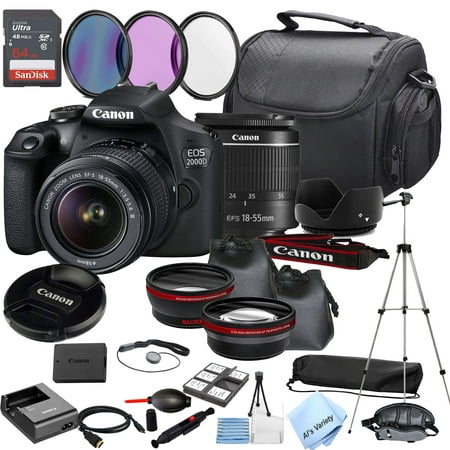
So join us on this captivating journey into the realm of digital photography. Explore the intricacies of digital cameras, discover helpful techniques, and unlock the full potential of this remarkable medium. Whether you're an amateur enthusiast or a seasoned professional, digital photography offers endless possibilities for creativity and expression. Stay tuned for more insightful articles and tips to enhance your digital photography skills.

_______________________________________________


Read more

Digital and Film Photography

The primary advantage of consumer-level digital cameras is the low recurring cost, as users need not purchase photographic film. Processing costs may be reduced or even eliminated. Digicams tend also to be easier to carry and to use, than comparable film cameras. They more easily adapt to modern use of pictures. Some, particularly those that are smartphones, can send their pictures directly to e-mail or web pages or other electronic distribution.
Advantages of professional digital cameras

The primary advantage of consumer-level digital cameras is the low recurring cost, as users need not purchase photographic film. Processing costs may be reduced or even eliminated. Digicams tend also to be easier to carry and to use, than comparable film cameras. They more easily adapt to modern use of pictures. Some, particularly those that are smartphones, can send their pictures directly to e-mail or web pages or other electronic distribution.

Advantages of professional digital cameras

Immediate image review and deletion is possible; lighting and composition can be assessed immediately, which ultimately conserves storage space.
High volume of images to medium ratio; allowing for extensive photography sessions without changing film rolls. To most users a single memory card is sufficient for the lifetime of the camera whereas film rolls are a re-incurring cost of film cameras.

Faster workflow: Management (colour and file), manipulation and printing tools are more versatile than conventional film processes. However, batch processing of RAW files can be time consuming, even on a fast computer.
Digital manipulation: A digital image can be modified and manipulated much easier and faster than with traditional negative and print methods. The digital image to the right was captured in Raw image format, processed and output in 3 different ways from the source RAW file, then merged and further processed for color saturation and other special effects to produce a more dramatic result than was originally captured with the RAW image.

Manufacturers such as Nikon and Canon have promoted the adoption of digital single-lens reflex cameras (DSLRs) by photojournalists. Images captured at 2+ megapixels are deemed of sufficient quality for small images in newspaper or magazine reproduction. Eight- to 24-megapixel images, found in modern digital SLRs, when combined with high-end lenses, can approximate the detail of film prints from 35 mm film based SLRs.

Disadvantages of digital cameras

High ISO image noise may manifest as multicolored speckles in digital images, rather than the less-objectionable "grain" of high-ISO film. While this speckling can be removed by noise-reduction software, either in-camera or on a computer, this can have a detrimental effect on image quality as fine detail may be lost in the process.

Aliasing may add patterns to images that do not exist and would not appear in film.


For many consumers, the advantages of digital cameras outweigh the disadvantages. Some professional photographers still prefer film. Concerns that have been raised by professional photographers include: editing and post-processing of RAW files can take longer than 35mm film, downloading a large number of images to a computer can be time-consuming, shooting in remote sites requires the photographer to carry a number of batteries, equipment failure—while all cameras may fail, some film camera problems (e.g., meter or rangefinder problems, failure of only some shutter speeds) can be worked around. As time passes, it is expected that more professional photographers will switch to digital.
Read more

Categories